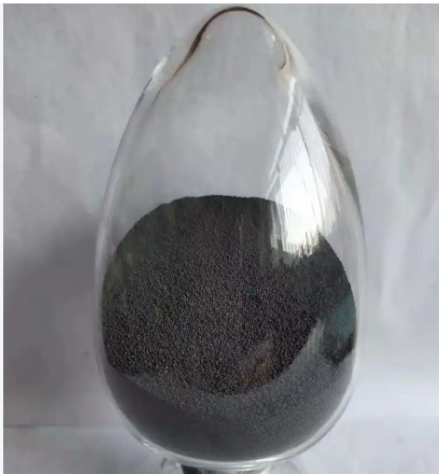
Tungsten carbide (chemical formula: WC) is a rigid inorganic compound formed by equal atomic parts of tungsten and carbon. In its raw state, WC exists as fine gray powder. Pure tungsten carbide is extremely hard yet highly brittle, so industrial-grade usable carbide is manufactured as a composite material via powder metallurgy.
Manufacturers mix WC powder with a metallic binder (most commonly cobalt, sometimes nickel) before pressing and high-temperature sintering. The binder “cements” hard WC particles together, balancing extreme hardness with enough toughness to resist cracking under impact — this finished composite material is officially named
cemented tungsten carbide.
2. Key Physical & Mechanical Properties of Tungsten Carbide
Tungsten carbide dominates industrial applications due to its unmatched combination of performance metrics, far outperforming high-speed steel, regular steel, and most ceramics.
Core Performance Highlights
-
Ultra-High Hardness
Tungsten carbide scores 9–9.5 on the Mohs hardness scale, second only to natural diamond (10). Its Vickers hardness ranges from 1500–2500 HV, 3–5 times harder than standard tool steel. It retains sharp cutting edges far longer without blunting or deformation.
-
Extreme Heat Resistance
WC has a melting point of 2,870°C (5,198°F). Unlike high-speed steel that loses hardness above 500°C, carbide maintains stable hardness and cutting performance at temperatures up to 1,000°C, perfect for high-speed CNC cutting.
-
Outstanding Wear & Abrasion Resistance
The dense crystal structure of WC resists friction, erosion, and abrasive wear. Carbide tools and wear parts last 5–10x longer than steel equivalents, drastically reducing machine downtime for tool replacement.
-
High Density & Rigidity
Tungsten carbide has a density of ~14–16 g/cm³, much heavier than steel. Its ultra-high elastic modulus minimizes tool deflection during precision machining, enabling micron-level dimensional accuracy for mold and aerospace components.
-
Good Corrosion Resistance
Cemented carbide resists oxidation and chemical corrosion under most machining, mining, and oil & gas working environments, extending service life in harsh conditions.
Quick Comparison: Tungsten Carbide vs High-Speed Steel
| Property |
Tungsten Carbide |
High-Speed Steel (HSS) |
| Mohs Hardness |
9–9.5 |
4.5–5.5 |
| Max Working Temp |
1000°C |
500°C |
| Tool Service Life |
5–10x longer |
Standard lifespan |
| Cutting Speed Limit |
3–5x faster |
Low to medium speed only |
| Impact Toughness |
Medium (grade adjustable) |
High |
3. How Is Tungsten Carbide Manufactured? (Powder Metallurgy Workflow)
All industrial cemented carbide products follow the same powder metallurgy production process, divided into 5 core steps:
- Raw Material Mixing: Fine tungsten carbide powder is blended with cobalt binder powder in precise ratios. More cobalt delivers higher toughness; less cobalt increases hardness and wear resistance.
- Press Forming: The mixed powder is poured into precision molds and compressed under high pressure to form near-net-shape green blanks (un-sintered, fragile parts).
- Pre-Sintering: Green blanks are heated at low temperatures to remove lubricants and strengthen the blank for grinding.
- High-Temperature Sintering: Blanks are fired at 1400–1600°C in a vacuum furnace. The cobalt binder melts and bonds WC particles tightly, shrinking the blank to its final hard, dense carbide form.
- Precision Finishing: Sintered carbide parts are ground, polished, coated (TiAlN, AlCrN coatings for cutting tools), and inspected to meet industrial tolerance standards.
4. Major Industrial Applications of Tungsten Carbide
Tungsten carbide is versatile and applied across dozens of global industries, split into 4 primary categories:
4.1 Metal Machining & CNC Cutting Tools (Largest Application)
Over 50% of global tungsten carbide output is used for machining tools:
- Solid carbide end mills, drills, reamers for mold, aerospace, automotive CNC processing
- Indexable carbide turning/milling inserts for lathes and machining centers
- Saw blades, thread taps, and boring bars for high-volume metal cutting
4.2 Mining, Drilling & Construction Equipment
Carbide’s abrasion resistance makes it irreplaceable for ground excavation:
- Rock drill bits, tunneling cutter teeth, coal mining picks
- Wear-resistant nozzles, crushing die inserts for aggregate processing
4.3 Wear-Resistant Industrial Components
Manufacturers rely on carbide for parts subject to constant friction:
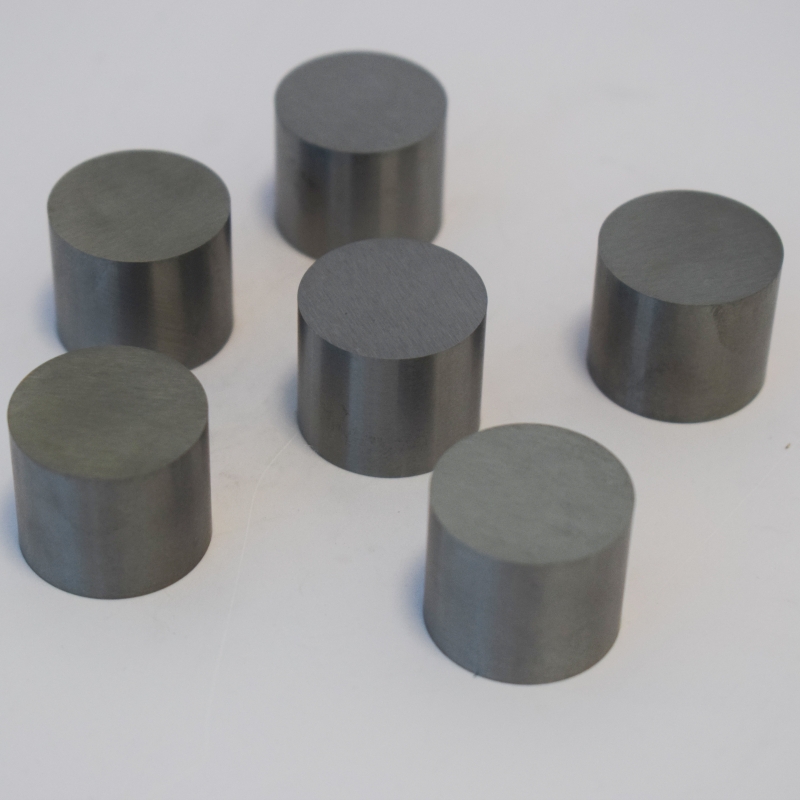
- Stamping dies, punch pins for electronic terminal, silicon steel sheet production
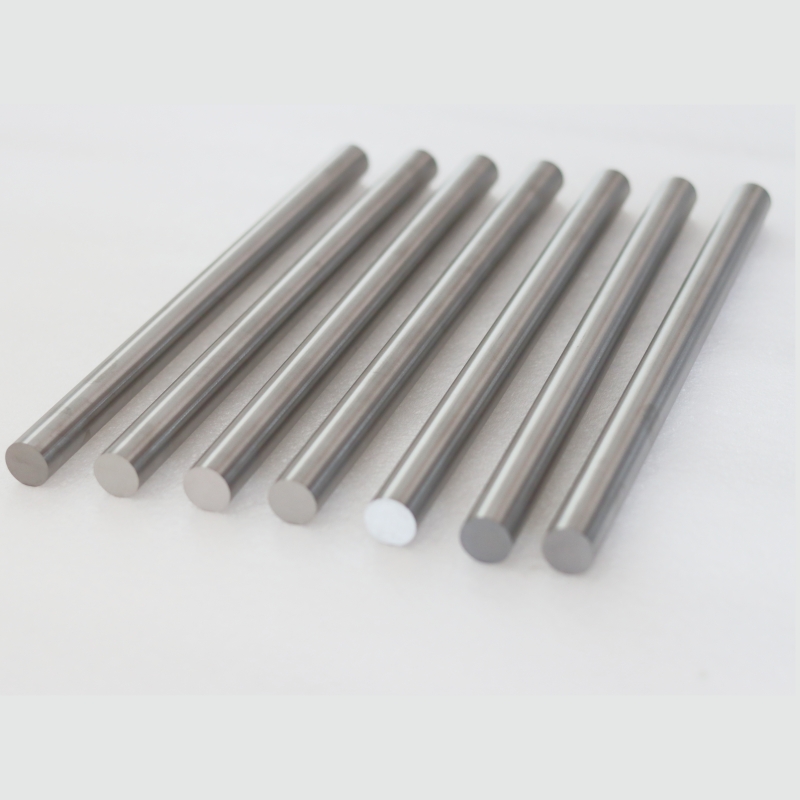
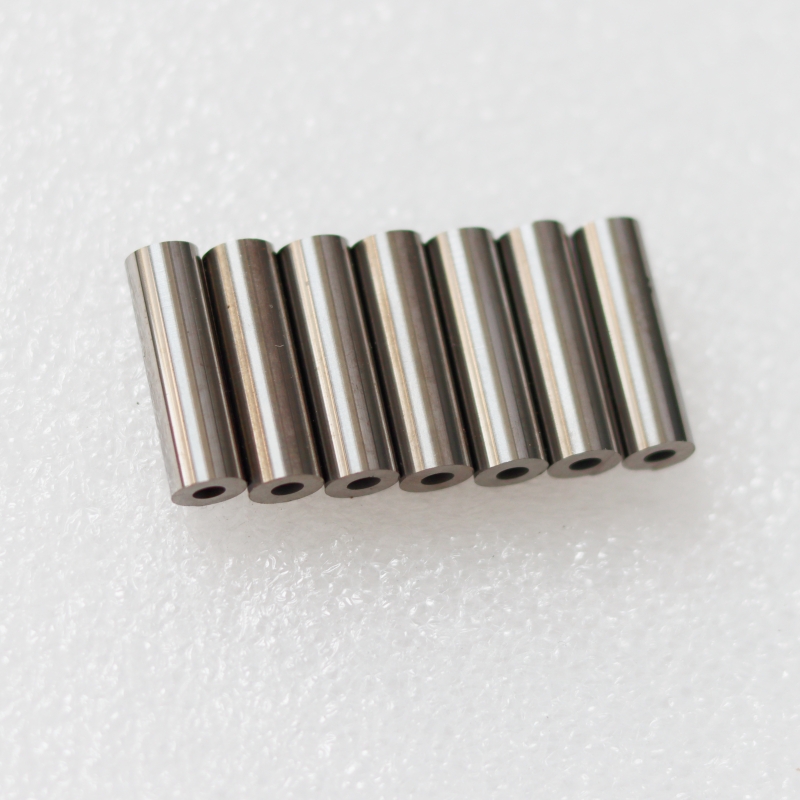
- Bearing rollers, valve cores, extrusion molds, and measuring gauge tips
4.4 Consumer & Specialized Uses
- Jewelry: Tungsten carbide wedding bands — scratch-proof, hypoallergenic, affordable alternative to precious metals
- Medical: Dental drill burs, minimally invasive surgical instrument tips
- Oil & Gas: Downhole wear parts, well drilling components
- Sports: High-performance fishing line guides, golf club inserts
5. Advantages & Limitations of Tungsten Carbide
Key Advantages
- Longer service life reduces tool replacement frequency and production downtime
- Supports ultra-fast machining speeds, boosting factory output and production efficiency
- Maintains high precision and smooth workpiece surface finishes
- Fully recyclable: Scrap carbide can be reprocessed to extract tungsten and cobalt raw materials, lowering resource waste
Limitations to Note
- Higher upfront material cost compared to steel tools; however, total operational cost is lower due to extended lifespan
- Brittle under heavy sudden impact; high-impact working conditions require carbide grades with increased cobalt binder content
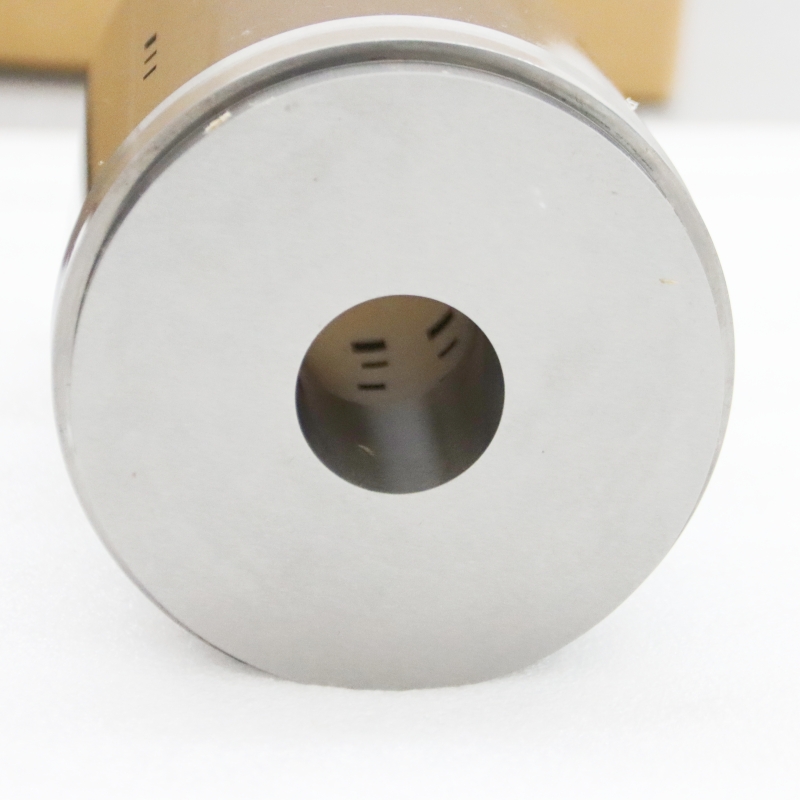
- Difficult to machine and grind post-sintering; all complex shaping must be completed before sintering
 requently Asked Questions (FAQs)
Q1: Is tungsten carbide the same as tungsten metal?
No. Pure tungsten metal is a soft gray metal with Mohs hardness ~7.5. Tungsten carbide is a chemical compound of tungsten + carbon, with drastically higher hardness and wear resistance.
Q2: Can tungsten carbide rust?
Cemented carbide itself does not oxidize or rust easily under normal conditions. Only long-term exposure to strong acid or extreme high-temperature oxidation environments will cause surface degradation.
Q3: How do I select the correct tungsten carbide grade?
Grades are defined by cobalt content:
Low cobalt (3–6% Co): Max hardness, ideal for finishing cutting, abrasive wear parts
- Medium cobalt (8–10% Co): Balanced hardness & toughness, universal grade for general machining
- High cobalt (12–15% Co): Max impact resistance, for rough cutting, mining tools, stamping dies
Q4: Is tungsten carbide recyclable?
Yes. Scrap carbide tools, broken blanks, and production waste are widely recycled to recover tungsten and cobalt raw materials, supporting sustainable industrial manufacturing.
7. Conclusion
Tungsten carbide is far more than just a hard metal alloy — it is an indispensable engineering material that powers global manufacturing, mining, construction, and precision processing industries.
Its unique balance of extreme hardness, thermal stability, wear resistance, and customizable toughness makes it superior to traditional steel tools for high-efficiency, high-precision industrial work. While the initial purchase cost is higher, the drastically extended service life and improved production throughput deliver significant long-term cost savings for manufacturers of all sizes.
If you are searching for premium custom tungsten carbide cutting tools, wear blanks, or mining components, our team provides grade selection consultation, custom sintering, and precision coating services tailored to your industry processing demands.

 requently Asked Questions (FAQs)